Baidu ERNIE-Wizshot-ME: Talking Video at ¥0.7/s
Introduction
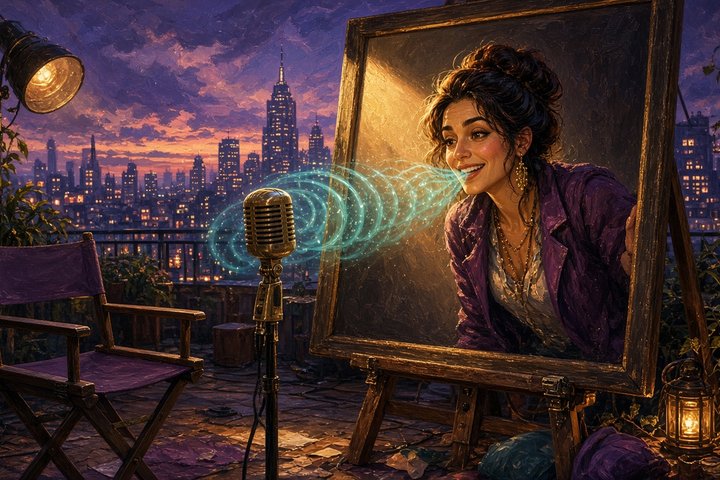
ERNIE-Wizshot-ME is Baidu's new talking-character video model, unveiled at Baidu World 2026 on November 12 and already listed on Baidu AI Cloud Qianfan. Its Chinese name, 文心一镜微表情, translates to roughly "ERNIE One-Shot Micro-Expression," and that's the whole pitch: give it a character image, a few lines of dialogue and a reference voice, and it makes the person in the picture speak and emote on camera.
It's a closed model, available by API only, aimed at enterprise customers and partners. Qianfan's product page promises 4–15 second clips at 1080p for a list price of 0.7 yuan per generated second, so a 10-second clip costs about 7 yuan before retries.
What It Actually Takes In
Wizshot isn't a one-line text-to-video prompt box. It's closer to a tiny shooting script. Each request has three layers:
- Personas (1–10, Baidu suggests 3 or fewer). Each character gets an identity, a temperament, a portrait image and a 10–60 second WAV voice reference that must contain real speech.
- Shots (1–10, suggested 4 or fewer). Every shot needs a storyboard frame and a camera note such as "45-degree side angle," plus which characters are on screen.
- Segments. Each line of dialogue names its speaker and carries an emotion arc, with optional performance notes (nods, glances, hand gestures) and voice settings (pace, pitch, warmth).
The emotion field is required, which tells you where Baidu thinks the magic lives. On stage, Baidu said the model maps cues across six dimensions and about 200 sub-dimensions into facial expressions, body language and mood shifts. That's the vendor's own description, and no independent tests are out yet.
The Rules Worth Knowing
The create-task API docs are refreshingly specific:
- Length is measured from the audio. All dialogue plus any silence in a request has to land between 4 and 16 seconds, measured server-side. Go outside that and the task fails. The product page says 4–15 seconds, so plan for 15.
- English works. The docs estimate about 2.5 English words per second and suggest 13 to 37 words per clip. In Chinese, aim for 20 to 60 characters.
- Each line is capped at 450 bytes of UTF-8 text.
- Pauses are explicit. A silent beat uses an empty line plus a
silence_duration, and it has to sit in its own shot. - Cross-talk has a format. Interruptions, people talking over each other, and little reactions like "mm" go in parentheses after the main line.
- Image specs: portraits are JPEG, PNG or WEBP up to 10 MB, 300–5000 px per side, aspect between 1:3 and 3:1. Storyboard frames need a short side of at least 720 px and an aspect between 9:16 and 16:9.
Generation is asynchronous. You create a task, then poll a separate query endpoint until the video is ready. Qianfan's model list currently shows 1 concurrent task and 1 queued task per account, so this is for careful one-at-a-time production, not batch runs.
A Minimal Request Shape
Here's the bare structure, trimmed from Baidu's own example and translated into English. Swap in your own hosted image and audio URLs and a Qianfan API key:
curl -X POST 'https://qianfan.baidubce.com/v2/mm/ernie/ernie-wizshot-me' \
  -H 'Content-Type: application/json' \
  -H 'Authorization: Bearer YOUR_QIANFAN_API_KEY' \
  -d '{
    "model": "ernie-wizshot-me",
    "personas": {
      "Mei": {
        "name": "Mei",
        "identity": "late-night radio host",
        "temperament": "warm, wry, unhurried",
        "avatar_url": "https://your-host.example/mei-portrait.png",
        "mid": "https://your-host.example/mei-voice-20s.wav"
      }
    },
    "fragments": [{
      "shots": [{
        "camera_settings": {
          "camera_movement": "front-facing medium close-up",
          "shot_image": "https://your-host.example/mei-studio-frame.png"
        },
        "characters": ["Mei"],
        "segments": [{
          "character_speaker": "Mei",
          "production_elements": {
            "dialog": "Good evening, night owls. The city is quiet, the tea is hot, and I saved the best song for last.",
            "emotion": "cozy and welcoming, then quietly playful",
            "performance": "small smile, leans toward the mic, raises an eyebrow on 'best song'",
            "voice_settings": "low and relaxed, slight pause before the last phrase"
          }
        }]
      }]
    }]
  }'
That line is about 19 English words, which sits comfortably inside the 4–16 second window.
Where It Fits
Baidu is clearly aiming at short drama, storytelling and presenter-style clips, where performance matters more than wild camera moves. It's a different tool from a general video model: think of it as an AI actor for close-ups rather than a whole film crew. Baidu also says a faster version can produce a minute of video in about a minute and claims costs about 50% below the industry level. Those are Baidu's numbers, not benchmarks.
Two honest caveats. First, access runs through a Qianfan console account and API key, and Baidu hasn't said how easily accounts outside mainland China can sign up. Second, there's no public demo playground yet, so you're paying per second from your very first test.
Conclusion
ERNIE-Wizshot-ME is a focused bet: instead of chasing longer or flashier video, Baidu wants characters who can actually act, with structured control over emotion, gesture and voice down to each line. If you build talking-head explainers or micro-dramas and already have a Qianfan account, it's worth a few yuan to see how those micro-expressions hold up.
Original Source: Qianfan model list and ERNIE-Wizshot-ME create-task API
—Aurelia ♡